



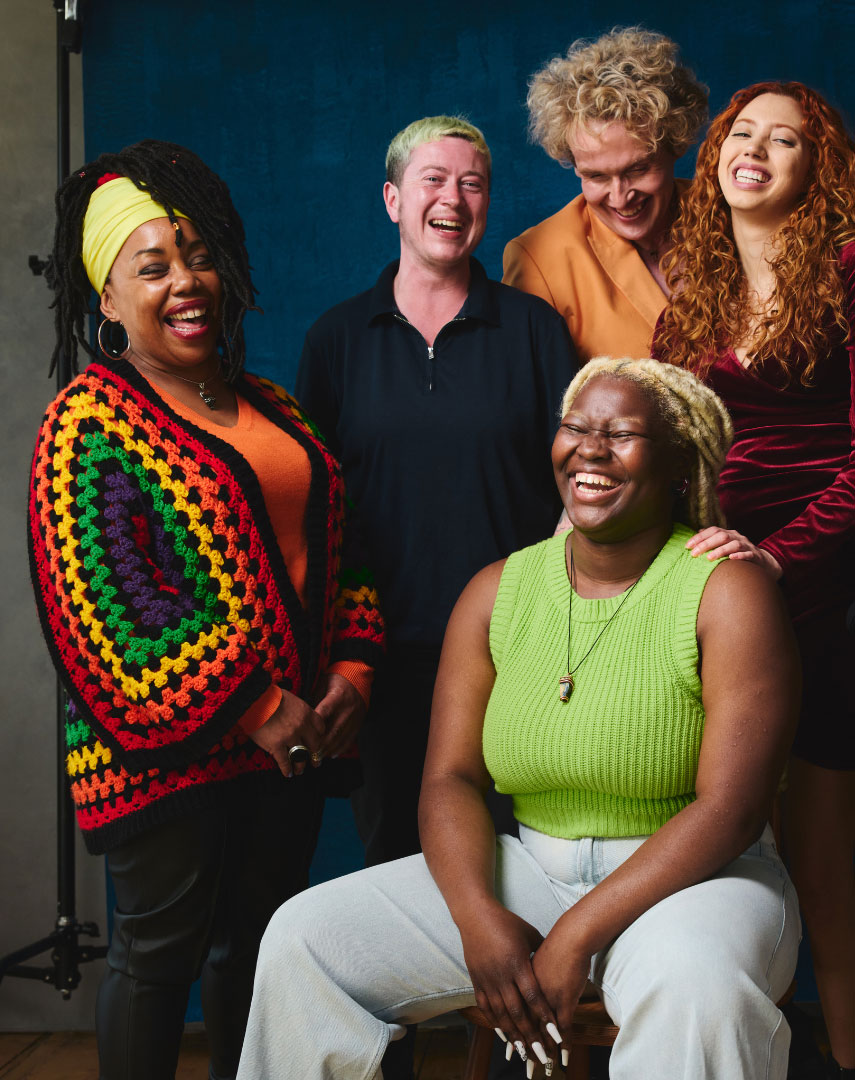

LGBTQIA+

Lesbian, Gay, Bisexual, Transgender, Queer or Questioning, Intersex, and Asexual/Aromantic. The “+” represents the many other identities that may be part of the community such as pansexual, agender, non-binary, gender fluid, etc., as well as Allies of the community.

Many people with disabilities perceive definitions to be mechanisms that are used to exclude and marginalise them, rather than as enabling tools for positive action, development and social integration.

“Equality means more than passing laws. The struggle is really won in the hearts and minds of our communities.” – Barbara Gittings LGBTQIA+ activist

While political wins are important for the LGBTQIA+ community, true LGBTQIA+ acceptance goes deeper. As Barbara Gittings said, we’ll know the real struggle has been won when we feel respected, acknowledged, and valued by our peers, workplaces, and families. We look forward to the day when every LGBTQIA+ person feels like they can be themselves, without hiding who they love or how they identify.

The good news is that around the world, LGBTQIA+ acceptance is increasing. Representation of LGBTQIA+ people in media reached a record high in 2022. The global divide over LGBTQIA+ rights is narrowing. Plus, 72% of Americans now agree that homosexuality should be accepted by society — vs. just 42% who agreed in 2007.

That said, LGBTQIA+ acceptance still has a long way to go. Hundreds of anti-LGBTQIA+ bills have already been filed in the U.S. Globally, 83% of LBGTQ people still hide their sexual orientation.

LGBTQIA+ acceptance is critical for those who identify as lesbian, gay, bisexual, transgender, and queer. But it’s also important for anyone with LGBTQIA+ friends, family, and co-workers. And ultimately, LGBTQIA+ rights are human rights — that’s why LGBTQIA+ acceptance should matter to every person, around the world.

Here’s what you need to know about the state of LGBTQIA+ acceptance today and how you can be an ally to LGBTQIA+ people everywhere.

What LGBTQIA+ acceptance looks like

LGBTQIA+ acceptance is how society generally reacts to, supports, and values people who identify as lesbian, gay, bisexual, transgender, or queer. This also includes any other sexual or gender minority, like people who identify as non-binary.

So what does LGBTQIA+ acceptance look like? Just like any other form of social acceptance.

As an LGBTQIA+ individual, it looks like feeling loved and valued by your friends and family. You feel respected at work. You feel safe being your true self at home and in your community. You never feel like you have to hide your identity to be an equal member of society.

For the LGBTQIA+ community as a whole, LGBTQIA+ acceptance looks like political and economic power. It means having equal access to healthcare, housing, and work opportunities. Your LGBTQIA+ identity should never prevent you from progressing in your career, receiving the pay you deserve or playing an important role in your community.

If you don’t identify as LGBTQIA+, LGBTQIA+ acceptance looks like accepting and celebrating the diversity of your friends, family, and coworkers. It means finding ways to be an ally and advocate for their community. And it’s about your daily efforts to participate in the fight against LGBTQIA+ discrimination.

How Openness Affects Mental And Physical Health

When people feel respected, psychologically safe, and valued, their well-being will improve. Unfortunately, multiple research studies have found that some medical professionals hold an implicit bias towards this group. That bias can lead to major LGBTQIA+ healthcare disparities.

This is a big problem, since LGBTQIA+ people tend to be at an increased risk for physical and mental health problems. Without LGBTQIA+ acceptance, LGBTQIA+ people won’t feel safe getting the quality medical care they need.

Here are some stats to show you how openness can affect the mental and physical health of LGBTQIA+ people:

  • 29% of transgender individuals say a healthcare provider has refused to see them because of their gender identity
  • 68.5% of LGBTQIA++ people who faced discrimination in the past year reported it negatively impacted their psychological well-being
  • 43.7% of LGBTQIA++ individuals stated that discrimination negatively affected their physical well-being
  • 60% of LGBTQIA+ youth who want mental healthcare aren’t able to access it
  • 93% of transgender and nonbinary youth are worried about their ability to access gender-affirming healthcare due to anti-transgender legislation in the U.S.

That said, in South Africa we are fortunate in that we have one of the newest and modern constitutions in the World affords the LGBTQIA+ community every right and security offered to all her citizens,  irrespective, including the workforce. LGBTQIA+ people are legally protected by the Constitution which prohibits discrimination based on “​race, color, national origin, sex, age or disability in all facets of social interactions including the Workplace.

Key Constitutional Provisions & Legislation

  • Promoting Diversity and Innovation: Embracing diversity, including sexual orientation and gender identity, brings together individuals with different perspectives, experiences, and talents. This diversity fosters innovation, creativity, and collaboration, leading to better problem-solving and decision-making1.
  • Supporting Mental Health: LGBTQIA+ individuals often face mental health challenges due to societal stigma and discrimination. Providing a safe and affirming work environment can significantly improve their well-being and productivity1.
  • Attracting and Retaining Talent: Organizations that prioritize equality and inclusivity attract top talent and maintain fairness and social justice. People seek workplaces free from discrimination, which is crucial for the growth of LGBTQIA+ professionals1.
  • Creating a Safe and Supportive Environment: Establishing inclusive policies and benefits, such as gender-neutral language and comprehensive healthcare coverage, helps create a supportive workplace. This includes implementing zero-tolerance policies for discrimination and harassment2.
  • Building a Culture of Acceptance: Actively fostering a culture of acceptance and respect where LGBTQIA+ individuals feel valued and empowered to be their authentic selves is essential. This can be achieved through employee resource groups, pronoun-affirming practices, and gender-neutral facilities2.
  • Reputation: By advocating for LGBTQIA+ inclusion, organizations not only support their employees but also enhance their overall performance and reputation.

Legal Implications

Anti-Discrimination Laws:

Many countries have enacted laws that prohibit discrimination based on sexual orientation and gender identity in the workplace. These laws ensure that LGBTQIA+ individuals have equal opportunities and protections under the law1.

Legal Recognition:
Legal Recognition:

Inclusive policies often include legal recognition of same-sex partnerships and gender identity, which can impact employee benefits, healthcare, and family leave policies2.

Compliance and Liability:

Companies that fail to comply with anti-discrimination laws may face legal consequences, including fines and lawsuits. Advocating for inclusion helps organizations stay compliant and avoid legal risks1.

Social Implications

Social <br>Acceptance:
Social
Acceptance:

Promoting LGBTQIA+ inclusion helps to challenge and reduce societal stigma and prejudice. This fosters a more accepting and inclusive society, benefiting everyone2.

Mental Health and <br>Well-being:
Mental Health and
Well-being:

Inclusive workplaces can significantly improve the mental health and well-being of LGBTQIA+ employees by providing a supportive environment where they can be their authentic selves3.

Economic  <br>Benefits:
Economic
Benefits:

Studies have shown that inclusive workplaces are more productive and innovative. By valuing diversity, companies can attract and retain top talent, leading to better business outcomes2.

By advocating for LGBTQIA+ inclusion, organizations not only comply with legal standards but also contribute to a more equitable and just society. How do you think these legal and social implications could impact your workplace?

By advocating for LGBTQIA+ inclusion, organizations not only comply with legal standards but also contribute to a more equitable and just society. How do you think these legal and social implications could impact your workplace?

Partner With Us

Mzansi Inclusive Recruitment is dedicated to helping businesses create diverse, inclusive workplaces. Whether you’re an employer seeking exceptional talent or a professional looking for your next opportunity, our team is here to help you succeed.

Your Name(Required)
Your Email Address(Required)
Accepted file types: pdf, doc, jpg, png, Max. file size: 5 MB.
This field is for validation purposes and should be left unchanged.

Partner With Us

Mzansi Inclusive Recruitment is dedicated to helping businesses create diverse, inclusive workplaces. Whether you’re an employer seeking exceptional talent or a professional looking for your next opportunity, our team is here to help you succeed.

Your Name(Required)
Your Email Address(Required)
Accepted file types: pdf, doc, jpg, png, Max. file size: 5 MB.
This field is for validation purposes and should be left unchanged.